

When a heatwave hits a city, air conditioners hum to life, pushing the power grid to the brink. Traditional grids—rigid, one-way systems designed for steady demand—collapse under the strain, leaving millions in the dark. But the modern smart grid is changing this: it’s no longer a passive network of wires, but a gigantic, self-balancing “Internet of Power” that routes electricity like the internet routes data—dynamically, in real time, and with zero human intervention. This technology uses millions of smart meters, sensors, and AI to anticipate overloads, shift power where it’s needed most, and keep the lights on even when extreme weather threatens to overwhelm the system.
To understand the shift, think of the traditional grid as a single-lane highway: traffic (electricity) flows one way, and a sudden surge (like a heatwave) causes a gridlock. The smart grid is a multi-lane, self-driving highway with thousands of sensors and AI “traffic controllers.” Every home’s smart meter is a data node, transmitting real-time usage data (down to the minute) to a central AI system. Sensors embedded in power lines, transformers, and renewable energy installations track voltage, temperature, and supply levels—creating a 360-degree view of the grid. Like the internet routing data packets to avoid congestion, the smart grid’s AI redirects electricity: if a neighborhood’s AC use spikes by 40% during a heatwave, power is pulled from underutilized areas (such as industrial zones running at half-capacity) or tapped from distributed renewables (solar panels on rooftops, small wind farms) to fill the gap.
The heatwave example brings this to life. Imagine a city like Phoenix hitting 115°F (46°C), with electricity demand surging 35% above normal. Traditional grids would trip circuit breakers to prevent total collapse, leaving entire neighborhoods without power. The smart grid reacts differently: its AI predicts the peak 24 hours in advance by analyzing weather data and historical usage patterns. It then sends signals to smart thermostats in homes (with user consent) to adjust temperatures by 2-3°F, reducing AC load by 10% without sacrificing comfort. At the same time, it reroutes power from solar-rich suburbs (where panels are generating excess energy) to downtown high-rises, and temporarily reduces power to non-critical infrastructure (like outdoor billboards or municipal building lighting) by 15%. All this happens in milliseconds—faster than a human operator could detect the problem, let alone respond. The result? No blackouts, and the grid operates at 95% efficiency instead of crashing under strain.
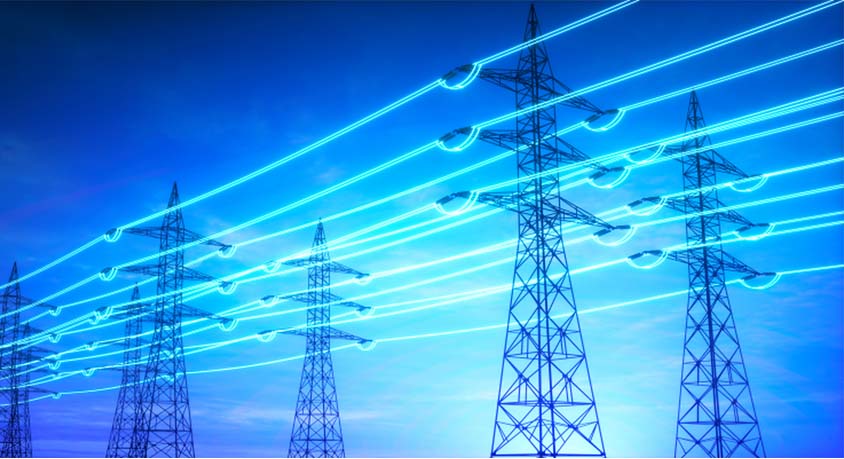
Data proves the impact. Cities with fully deployed smart grids have reduced heatwave-related blackouts by 70-80%, cutting outage duration from hours to minutes. The AI’s predictive capabilities also lower costs: by shifting load to renewables during peaks, utilities avoid buying expensive emergency power (which can cost 10x the normal rate), saving consumers $100-$200 annually on electricity bills. For renewable energy, the smart grid is a game-changer: it solves the “intermittency” problem (solar only generates during the day, wind only when it blows) by storing excess power in batteries or redirecting it to areas with high demand. This has increased renewable integration into grids by 30-40% in cities like Austin and Copenhagen.
The smart grid’s self-balancing ability isn’t just for heatwaves—it works for cold snaps, storms, and equipment failures too. If a power line is knocked down by a tornado, sensors detect the outage instantly, and the AI reroutes power through alternative lines within seconds, limiting the affected area to a few blocks instead of an entire region. Smart meters also notify utilities of outages in real time, eliminating the need for customers to call in—speeding up repairs by 40%.
This isn’t just a technical upgrade; it’s a reimagining of how power is managed. The smart grid turns the internet’s core principle—distributed, dynamic, and self-healing—into a lifeline for modern cities. For consumers, it means fewer blackouts, lower bills, and more reliable access to clean energy. For utilities, it means greater efficiency, lower costs, and resilience against the growing threat of extreme weather. The grid as a self-balancing internet isn’t a future concept—it’s operating today, keeping cities powered when traditional systems would fail. In a world of increasingly erratic weather, this isn’t just smart technology—it’s essential infrastructure.
Disclaimer: Mention of any brand or trademark is for identification purposes only and does not indicate any partnership or endorsement.
