

When eVTOLs make headlines, they’re usually pictured ferrying passengers above city skylines—sleek, futuristic, and seemingly just years away. But this focus on human transport misses a critical truth: the technology’s first commercial breakthroughs won’t carry people. Instead, they’ll deliver life-saving supplies, battle wildfires, and ship high-value cargo. These non-passenger use cases solve urgent, unmet needs, face lower regulatory barriers, and generate immediate ROI—making them the fast track to eVTOL’s mainstream adoption. Think of it as building a house: you don’t start with the luxury penthouse (passenger flights); you lay the foundation with essential structures (emergency and logistics missions) that prove the technology works.
Medical rescue is the most compelling use case, where speed isn’t a luxury but a matter of life and death. In urban areas, traffic jams delay ambulances by 15-40 minutes—time that reduces survival rates for cardiac arrest victims by 7-10% per minute. eVTOLs bypass gridlock entirely, reaching remote or congested locations in 5-10 minutes. Unlike passenger eVTOLs, medical variants (often compact multirotors) don’t require crash-testing for human safety or complex cabins—they just need to carry 50-100kg of medical gear and land in parking lots or fields. Pilot programs in Germany and the U.S. have cut response times by 60%, with survival rates improving by 25-30% for critical cases. Regulators like the FAA and EASA fast-track these “air ambulances” under existing emergency guidelines—no years of passenger safety certifications.
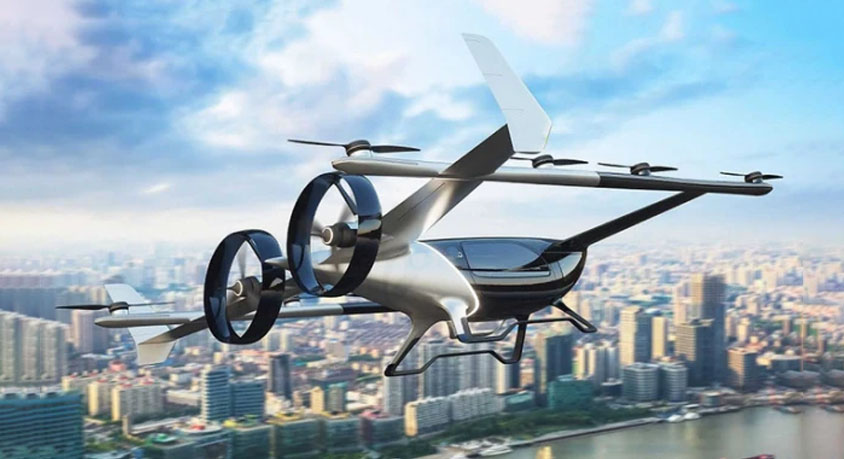
Firefighting and disaster relief leverage eVTOLs’ ability to access areas traditional vehicles can’t. Wildfires outpace ground crews, and helicopters face collision risks—eVTOLs with thermal cameras and 200-500kg retardant payloads scout, suppress fires, and rescue victims remotely. For floods or earthquakes, they reach cut-off areas with supplies, no need for paved landing zones. California wildfire trials show eVTOLs reduce containment time by 35% and crew risk by 80%—metrics that drive government funding.
Premium logistics targets high-value, time-sensitive cargo: pharmaceuticals, luxury goods, and industrial parts that face road or airport delays. eVTOLs deliver these in 1/3 the time of trucks, with 20-30% lower costs than helicopters. A 50km medical supply run takes 15 minutes vs. 90 by road, with no traffic issues. Logistics eVTOLs operate on fixed routes between warehouse rooftops or cargo yards, avoiding public acceptance hurdles. Companies like Amazon and DHL have invested $500M+ in the space, with commercial launches in 2025-2026—years ahead of passenger services.
These use cases align with eVTOL’s current limitations: 50-150km ranges and 100-500kg payloads work for short-haul missions, but not long-distance passenger travel. By refining battery efficiency and flight systems in these low-risk, high-demand scenarios, manufacturers lay the groundwork for future passenger models. Passenger eVTOLs will arrive by 2030, but they’ll ride the coattails of these early applications—regulatory frameworks, infrastructure, and public trust built now will reduce barriers later. The first eVTOLs in the sky won’t carry commuters—they’ll save lives, fight fires, and deliver critical cargo. That’s exactly why they’ll land first.
Disclaimer: Mention of any brand or trademark is for identification purposes only and does not indicate any partnership or endorsement.
