

Traditional manufacturing is a master of waste: for every product made, up to 30% of raw materials end up in landfills, while plastic production chokes oceans and emits billions of tons of CO2. 3D printing was supposed to fix this—yet most printers still rely on petroleum-based plastics and overuse materials. But a new wave of innovation is changing that: sustainable biomaterials (think mushroom roots, algae, and industrial scraps) paired with generative design software are turning 3D printing into a zero-waste, eco-friendly powerhouse. This isn’t just “greenwashing” for tech—it’s a practical revolution that cuts costs, slashes emissions, and creates products stronger than their wasteful predecessors. The future of manufacturing isn’t just additive; it’s regenerative.
To understand the shift, think of traditional 3D printing as baking a cake with a whole bag of flour when you only need a cup—you get the job done, but the waste is inevitable. Generative design flips this: it’s like asking an AI to create the perfect cake recipe that uses exactly the right amount of flour, no more, no less. Powered by machine learning, this software takes inputs (weight limits, strength requirements, material type) and generates thousands of design iterations, keeping only the ones that use the least material while maintaining structural integrity. The result? Parts that look like nature’s handiwork—think bone-like lattices or leaf veins—with 30-60% less material than traditionally designed components. Aerospace companies already use this for brackets and hinges: a generative-designed engine part weighs 40% less than its conventional counterpart, uses 50% less filament, and is 20% stronger. For manufacturers, that’s not just eco-friendly—it’s cheaper, as material costs drop by up to 45%.
Biomaterials are the other half of the equation, replacing plastic with substances that grow, not drill. Mycelium (the root structure of mushrooms) is the standout star: it’s grown in labs using agricultural waste (corn cobs, straw) and formed into 3D-printable filaments that biodegrade in 90-180 days in soil—no microplastics left behind. Unlike plastic, which requires fossil fuels and emits 2.5kg of CO2 per kg produced, mycelium sequesters carbon as it grows, with a carbon footprint 80% lower. It’s not just for small parts: furniture makers print chairs and shelves from mycelium that support 500kg+ and cost 30% less than wooden or plastic alternatives. Algae is another game-changer: harvested from ponds (no farmland needed), it’s turned into a flexible, water-resistant filament used for packaging and consumer goods. Even industrial waste gets a second life: recycled concrete dust, textile scraps, and metal shavings are mixed into biodegradable binders to create durable, low-cost printing materials. A construction startup now prints building blocks from 80% recycled concrete, cutting landfill waste by 60% and material costs by 25%.
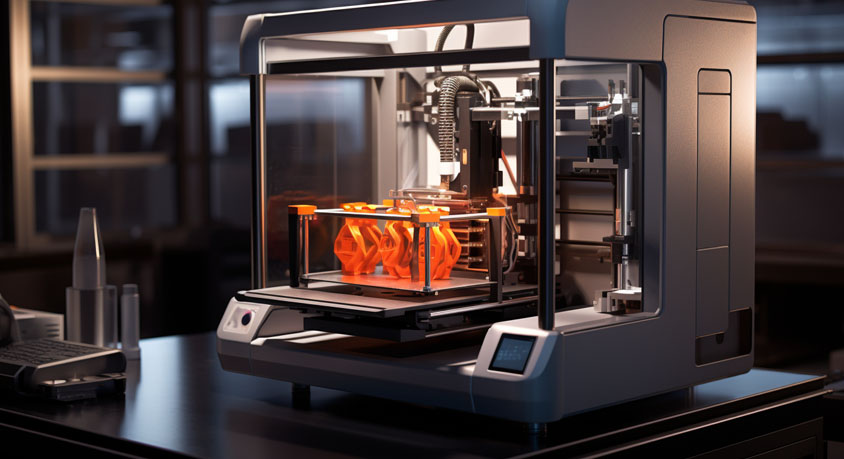
The synergy between generative design and biomaterials is where the magic happens. A generative-designed planter printed with mycelium uses 50% less material than a plastic version, biodegrades when discarded, and costs 20% less to produce. For consumer goods, this means products that are affordable, durable, and kind to the planet. For industrial use, it’s even more impactful: a wind turbine blade bracket designed with generative software and printed with recycled metal uses 40% less material, reduces transportation costs (thanks to lighter weight), and cuts lifecycle emissions by 35%. Data backs this: a 2024 study found that combining generative design with biomaterials reduces a product’s environmental impact by 55-70% compared to traditional manufacturing and standard 3D printing.
Adoption is accelerating as costs fall. Biodegradable filaments now cost 15-20% more than plastic, but that gap shrinks to 5% when factoring in waste reduction and regulatory incentives (many countries offer tax breaks for eco-friendly manufacturing). Generative design software, once a luxury for large corporations, now has affordable cloud-based versions for small businesses. By 2030, analysts predict 40% of 3D-printed parts will use biomaterials, and 35% will be designed with generative tools—driven by consumer demand for sustainability and corporate pressure to cut emissions.
This isn’t just about “being green”—it’s about building a more efficient, cost-effective manufacturing system. 3D printing’s promise was always to make production smarter; now, with biomaterials and generative design, it’s making production sustainable too. The future of manufacturing isn’t about printing more—it’s about printing better: less waste, less cost, less harm. For businesses, this means staying competitive in a world where sustainability is no longer optional. For consumers, it means products that work for them and the planet. Printing the impossible isn’t just about creating new shapes—it’s about reimagining how we make things, from the ground up.
Disclaimer: Mention of any brand or trademark is for identification purposes only and does not indicate any partnership or endorsement.
